
What kinds of activities are offered in assisted living?
Assisted living communities typically offer a mix of social, physical, creative, educational, spiritual, and recreational activities. The goal is not to keep residents busy every minute, but to support meaningful daily routines, personal interests, movement, social connection, and a sense of independence.
Common activities may include:
- Group exercise, stretching, balance work, or walking programs
- Arts and crafts, painting, knitting, sewing, or seasonal projects
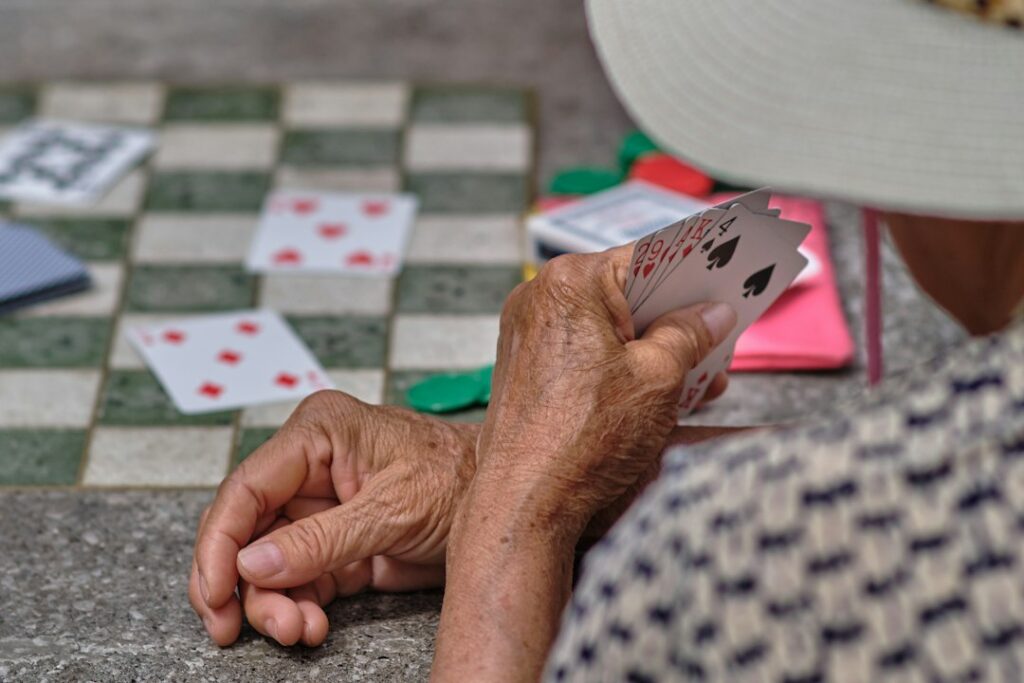
- Card games, puzzles, trivia, bingo, and board games
- Music programs, sing-alongs, and live performances
- Movie afternoons and discussion groups
- Gardening, bird-watching, and time outdoors
- Cooking demonstrations or shared baking activities
- Reading groups, history talks, and continuing education
- Worship services, Bible studies, meditation, or other spiritual programs
- Holiday celebrations, birthday gatherings, and family events
The exact schedule varies by community, staffing, available space, and resident preferences. A strong activity program changes over time rather than repeating the same calendar every month.
How do activities support health and well-being?
Recreation can support several aspects of assisted living life. Physical activities may help residents maintain flexibility, strength, coordination, and confidence with movement. Even gentle exercises, seated stretches, or short walks can be useful when matched to a person’s abilities and medical guidance.
Social activities may reduce isolation by creating regular opportunities to talk and spend time with others. This can be especially helpful for a resident who has recently moved, lost a spouse, or has difficulty traveling independently.
Creative and mentally engaging activities also serve a purpose. Completing a craft, learning a song, solving a puzzle, or discussing a familiar topic can provide stimulation and a feeling of accomplishment. Activities connected to a person’s past work, hobbies, culture, or family traditions may feel particularly meaningful.
Recreation should complement, not replace, medical care, therapy, sleep, privacy, and rest. Residents need choices that support the whole person rather than focusing only on physical activity.
Are residents expected to participate?
No. Participation should be voluntary, and residents should be able to decline an activity without being criticized or pressured. Some people enjoy large group events, while others prefer quiet hobbies, one-on-one conversation, or time alone.
A resident may also choose activities based on energy level. Someone who cannot attend a morning exercise class may be interested in an afternoon music program. A person with hearing, vision, memory, or mobility changes may participate more comfortably with adjustments.
Useful questions to ask include:
- Can residents join activities after they begin?
- Are there quiet options for people who do not enjoy groups?
- Can a resident pursue a personal hobby in a shared or private space?
- Are activities adapted for different mobility and cognitive abilities?
- Can family members participate in selected events?
- How are residents’ suggestions collected and used?
A schedule may look full on paper but still be a poor fit if residents have little choice or if activities are difficult to access.
How are activities adapted for different abilities?
Good recreation programs offer more than a single version of an activity. For example, an exercise class may include standing, seated, and supported movements. A cooking activity may involve measuring ingredients, decorating, tasting, or discussing family recipes rather than requiring every participant to prepare food independently.
Residents with memory loss may benefit from familiar music, simple instructions, visual cues, and predictable routines. Activities should not feel like tests. Success can mean taking part for a few minutes, enjoying the sensory experience, or connecting with another person.
For residents with hearing or vision changes, staff may need to improve lighting, reduce background noise, provide large-print materials, or explain what is happening. Wheelchair users and residents who use walkers need clear pathways and appropriate seating.
Personal dignity matters. Assistance should be offered discreetly, and residents should be treated as adults with preferences rather than defined only by a diagnosis or limitation.
What outdoor recreation is practical in Dallas, PA?
Seasonal weather and changing conditions affect outdoor activities in Dallas. Communities may offer outdoor seating, walking areas, gardening, bird-watching, or time on a patio during comfortable weather. During warmer months, shade, hydration, sunscreen, and rest periods are important. In colder months, icy walkways, snow, wind, and shorter daylight hours can limit outdoor access.
Outdoor recreation does not have to mean strenuous exercise. Sitting outside with a cup of tea, watching birds, tending container plants, or visiting with family can be a meaningful part of the day.
Residents and families may want to ask how outdoor areas are maintained during changing weather and whether residents can safely reach them from common rooms or private living areas. Indoor alternatives should be available when conditions are uncomfortable or unsafe.

Can residents continue their old hobbies?
Often, yes. Familiar hobbies can help preserve identity and routine after a move. A resident who enjoyed gardening may be able to care for indoor plants or raised containers. Someone who liked woodworking may prefer safe craft projects involving sanding, painting, or assembling simple items. A former teacher, musician, gardener, mechanic, artist, or cook may enjoy sharing knowledge with others.
Family members can help by describing past interests, preferred music, favorite games, cultural traditions, and activities the resident disliked. This information is more useful than assuming that every older adult enjoys the same games or entertainment.
Personal hobbies may need practical adjustments. Sharp tools, open flames, heavy equipment, or small materials may create hazards for some residents. In those situations, the activity can sometimes be modified rather than eliminated.
How can families support recreation?
Families can support participation by asking what the resident actually enjoys instead of assuming that a busy schedule is always desirable. Visiting during a preferred activity may make participation easier, especially during the first weeks after a move.
Helpful family involvement may include:
- Bringing labeled photographs, music, books, craft materials, or familiar games
- Joining a walk, holiday gathering, or creative project when permitted
- Sharing information about the resident’s past interests and routines
- Encouraging participation without treating it as an obligation
- Noticing signs of fatigue, frustration, pain, or overstimulation
- Asking whether an activity can be adapted for the resident
A family visit does not need to involve a formal event. Looking through photographs, listening to music, folding laundry together, or talking about seasonal traditions can also be recreation.
What should residents look for in an activity calendar?
A useful activity calendar should show variety, clear times, locations, and any participation requirements. It should include options during different parts of the day and allow enough time for meals, rest, personal care, and appointments.
Residents may want to look for a balance of:
- Movement and relaxation
- Group events and individual pursuits
- Indoor and outdoor options
- Familiar routines and new experiences
- Structured programs and informal social time
- Activities for different cognitive, sensory, and physical abilities
The most meaningful program is not necessarily the one with the longest calendar. It is the one that gives residents realistic choices, respects individual preferences, and makes participation accessible. In assisted living, recreation is most valuable when it helps a person maintain interests, relationships, confidence, and control over daily life.
