
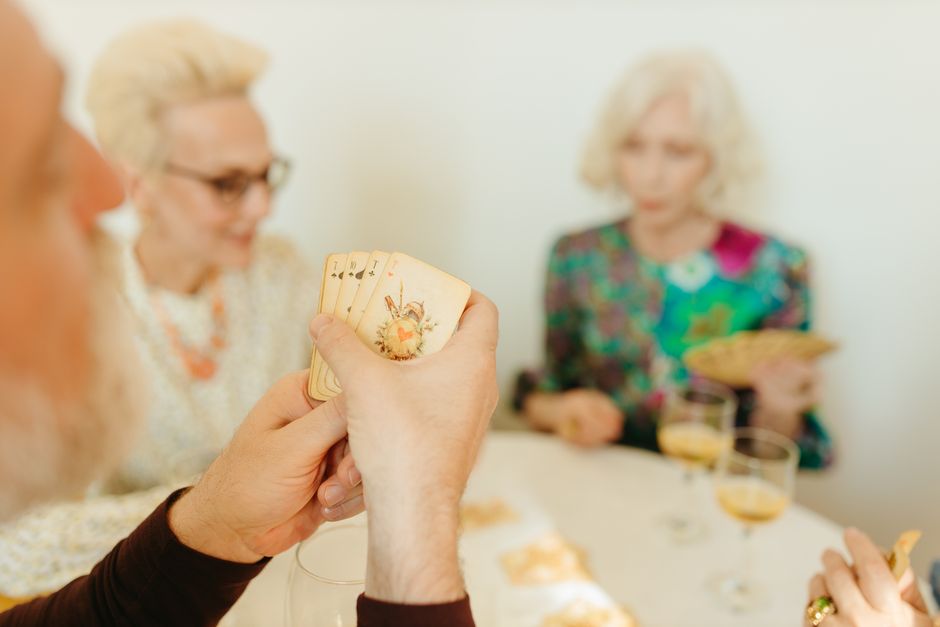
Assisted living can strengthen social connections by placing daily opportunities for conversation, shared activities, and mutual support within easy reach. For residents in Dallas, PA, this may be especially helpful when driving becomes difficult, winter weather limits outings, or living alone makes regular interaction harder to maintain.
Social connection is more than having people nearby. It includes feeling known, having a reason to participate, being able to share experiences, and maintaining relationships with family, friends, neighbors, and the wider community.
How does assisted living create more chances for social interaction?
Assisted living brings many ordinary daily activities into shared spaces. Meals, exercise programs, games, educational sessions, and informal gatherings can create natural opportunities to meet other residents without requiring extensive planning or transportation.
A person who lives alone may go several days with little conversation beyond brief errands. In an assisted living setting, interaction can happen in smaller, less formal ways:
- Greeting a neighbor in a hallway
- Sharing a meal at a common table
- Joining a discussion group
- Sitting with others during a recreational activity
- Talking with staff members during routine assistance
- Participating in a seasonal celebration or community program
These repeated encounters matter. Familiar faces can gradually become friendships, even when residents do not connect immediately.
What types of activities help residents form friendships?
Activities are most effective when they offer more than entertainment. They give residents a shared purpose, a predictable schedule, and a comfortable way to begin conversations.
Common examples include:
- Card games, puzzles, and board games
- Arts, crafts, gardening, or cooking projects
- Walking groups and gentle exercise classes
- Music programs, sing-alongs, and performances
- Book, history, or current-events discussions
- Religious or spiritual gatherings for those who want them
- Birthday celebrations and holiday events
- Educational presentations and resident-led programs
- Outings that match residents’ interests and mobility needs
Residents do not need to enjoy every activity. A well-rounded schedule gives people choices rather than expecting everyone to socialize in the same way. Some prefer lively group events, while others are more comfortable with quiet conversations, small gatherings, or one-to-one visits.
Can assisted living help someone who is shy or socially withdrawn?
Yes, but social involvement usually develops gradually. A person who is shy, grieving, hard of hearing, living with memory changes, or adjusting after a move may need time and gentle encouragement.
A useful starting point may be a familiar routine, such as eating breakfast in a shared dining area or attending the same weekly activity. Repeated participation can make a new environment feel less intimidating.
Staff can also help by introducing residents with similar interests, adjusting seating arrangements, explaining an activity clearly, or offering alternatives when a large group feels overwhelming. Personal invitations are often more effective than general announcements.
Social connection should not be forced. Residents should be able to decline activities, spend time privately, and choose the relationships they want to develop.
How are family relationships maintained in assisted living?
Assisted living does not replace family relationships. In many cases, it makes visits and communication easier because household responsibilities, meals, maintenance, and some daily support are handled within the residence.
Families may stay connected through:
- Regular visits
- Shared meals
- Phone calls and video conversations
- Celebrations of birthdays and holidays
- Participation in activity programs
- Helping with hobbies, photographs, or personal projects
- Short, frequent visits rather than occasional long visits
For families living a distance away, scheduled calls can provide consistency. Video conversations may help when travel is difficult, although technology should be adapted to the resident’s comfort and abilities.
Family members can also ask about the resident’s preferred times for visits. A person may be more alert and conversational in the morning, while another may enjoy late-afternoon visits.
Why do meals matter for social connection?
Shared meals provide one of the most dependable opportunities for interaction. Eating with others can help establish routine, encourage conversation, and reduce the tendency to remain alone in a private living space.
Dining preferences vary. Some residents enjoy a busy table, while others prefer a quieter setting or a familiar companion. Hearing, vision, dietary needs, and physical comfort can affect the dining experience.
Simple adjustments may improve participation:
- Seating a resident near people with similar interests
- Choosing a quieter table when background noise is difficult
- Allowing enough time for meals
- Making sure mobility devices fit comfortably at the table
- Providing clear communication about menus and schedules
A meal does not need to become a long social event to be meaningful. Regular contact with familiar dining companions can provide a sense of belonging.
How does assisted living support connections during difficult seasons?
Seasonal conditions can affect social participation in Dallas, PA. Cold temperatures, snow, ice, and shorter daylight hours may make driving or walking less appealing for older adults. Assisted living can provide indoor alternatives when outdoor activities or community visits are limited.
Indoor walking areas, exercise programs, crafts, music, games, and group meals help maintain a daily rhythm during the colder months. Transportation arrangements may also make it possible for residents to attend appointments, visit family, or participate in selected community activities when conditions are safe.
Seasonal changes can also affect mood. Maintaining regular contact, meaningful routines, and opportunities for daylight and movement may help reduce the sense of isolation that can develop when residents spend more time indoors.
Does social connection benefit health?
Regular social contact can support emotional well-being, mental stimulation, and a sense of purpose. Conversation encourages memory, language, and attention. Group activities may also motivate residents to move, prepare for the day, or try something new.
Social interaction is not a substitute for medical care, and assisted living cannot prevent loneliness for every resident. Someone may feel lonely even while surrounded by people, particularly after losing a spouse, moving away from familiar surroundings, or experiencing changes in hearing, vision, mobility, or memory.
Signs that additional support may be needed include:
- Persistent withdrawal from previously enjoyed activities
- Noticeable sadness, anxiety, or irritability
- Repeated statements about feeling alone
- Major changes in appetite or sleep
- Avoidance of meals or common areas
- Confusion about routines or difficulty following conversations
These changes should be taken seriously and discussed with appropriate care staff or a healthcare professional, especially when they are sudden or persistent.
What should families ask about social life in an assisted living residence?
A schedule of activities does not always show how socially welcoming a residence feels. Families and prospective residents can ask practical questions such as:
- Are activities offered every day?
- Can residents suggest or lead programs?
- Are there options for people who prefer small groups?
- How are new residents introduced to others?
- Are family members welcome at events or meals?
- What happens when a resident stops attending activities?
- Are programs adapted for hearing, vision, mobility, or memory needs?
- Is transportation available for selected community activities?
- Are quiet spaces available for private visits?
The goal is not constant activity. A healthy social environment gives residents meaningful choices, respectful support, and opportunities to build relationships at their own pace.
