

Assisted living is designed to provide support without taking away a resident’s ability to make choices. For many older adults in Dallas, PA, the goal is not complete dependence on others. It is having the right amount of help with daily tasks while continuing to direct personal routines, interests, relationships, and decisions.
What does independence mean in assisted living?
Independence does not always mean living entirely alone or handling every task without assistance. In an assisted living setting, independence usually means having control over daily life while receiving help where it is needed.
A resident may still choose:
- What to wear
- When to wake up or go to bed
- Which activities to attend
- What foods to eat
- How to spend free time
- Which visitors to welcome
- How to arrange personal belongings
- What goals to work toward
Support is intended to make those choices more manageable, not replace them. A person may need help with bathing but still prefer a particular morning routine. Another resident may need medication reminders but continue to manage personal finances, hobbies, and social plans.
How does assistance with daily tasks promote independence?
Help with routine activities can conserve a person’s energy for the parts of life that matter most. Tasks such as bathing, dressing, grooming, transferring, or preparing meals may become difficult because of arthritis, balance concerns, limited strength, memory changes, or recovery from an illness.
Receiving help with one task does not mean losing all control. In fact, assistance may reduce the risk of falls, exhaustion, or frustration. A resident who is no longer spending most of the morning struggling to get dressed may have more energy for exercise, conversation, reading, religious observance, or time outdoors.
The level of help can also change. Some residents need only reminders or occasional support, while others require more regular assistance. A thoughtful care plan identifies what a person can do safely and encourages participation in the steps that remain manageable.
Do residents still make their own decisions?
Residents generally remain central to decisions about their care and daily routines, unless a legal arrangement or serious cognitive impairment affects decision-making authority. Preferences should be discussed openly rather than assumed.
Useful questions include:
- Does the resident prefer morning or evening bathing?
- Which foods, activities, and routines are familiar?
- What type of assistance feels comfortable?
- Are there cultural, religious, or personal practices that should be respected?
- Which tasks can the resident complete independently with extra time or adaptive equipment?
Choice can be offered in simple ways. A person may choose between two outfits, decide whether to attend a group activity, or select where to sit during meals. These decisions may seem small, but maintaining regular opportunities for choice supports dignity and personal identity.
How can assisted living support safe mobility?
Mobility support is often connected to independence. A person who is afraid of falling may stop walking to meals, visiting common areas, or participating in activities. Appropriate assistance can help the resident move more confidently.
Support may include:
- Clear walking paths
- Handrails and grab bars
- Proper lighting
- Seating areas for rest
- Assistance with transfers
- Mobility devices used correctly
- Staff support during higher-risk activities
- Exercises or movement programs suited to the individual
Seasonal conditions also deserve attention in Dallas. Snow, ice, wet surfaces, and shorter daylight hours can affect outdoor mobility during colder months. Residents and families may need to discuss how indoor walking, transportation arrangements, footwear, and weather-related changes will be handled.
The purpose is not to prevent all movement because a fall is possible. Excessive restriction can weaken strength and confidence. Safer mobility usually comes from balancing reasonable precautions with continued activity.
Can assisted living help residents maintain social independence?
Social independence involves more than attending scheduled events. It includes choosing relationships, maintaining personal interests, and having opportunities to interact in comfortable ways.
Assisted living may make social participation easier by reducing barriers such as transportation, meal preparation, fatigue, or difficulty navigating a home. Residents may be able to join a discussion, exercise session, craft activity, musical program, or shared meal without arranging every detail themselves.
At the same time, not everyone enjoys a busy social calendar. Independence includes the right to have quiet time. A resident should not be treated as disengaged simply because the preferred routine includes reading, private conversation, hobbies, or rest.
Families can support this balance by asking what the resident actually enjoys rather than assuming that more activities are always better.
What role do meals and nutrition play?
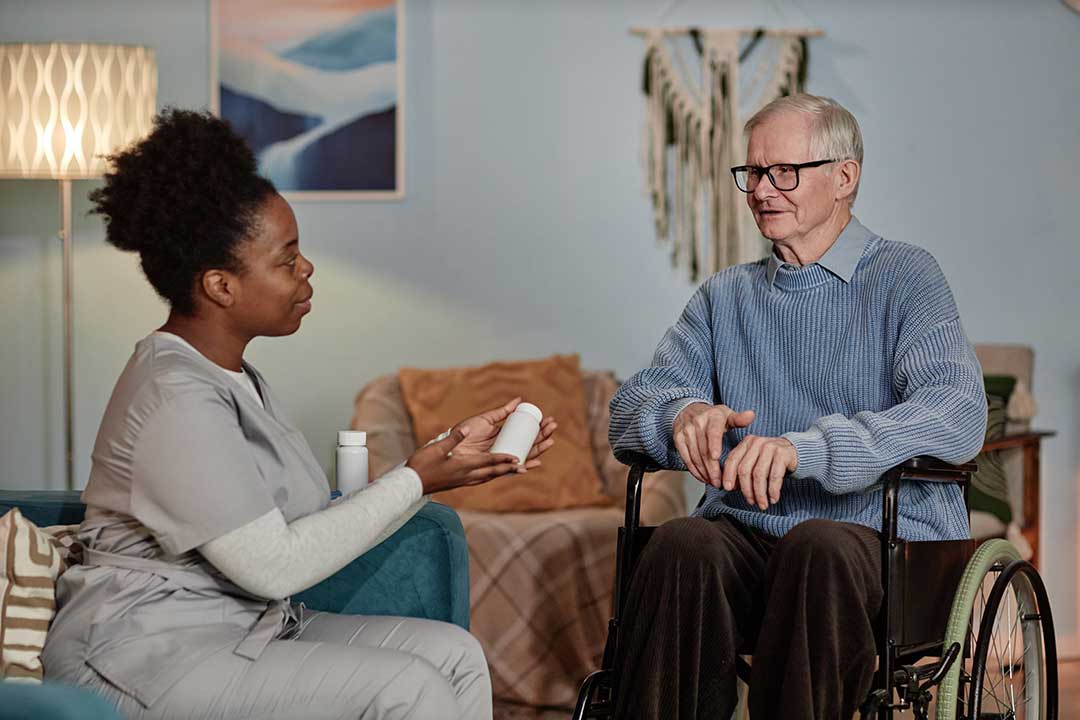
Regular meals can support physical strength, concentration, and energy for daily activities. In assisted living, residents may receive help with meal preparation, dining arrangements, special diets, or reminders to eat and drink.
Nutrition support should still allow reasonable choice. Preferences, allergies, medical restrictions, cultural habits, and appetite changes all matter. A resident may be more willing to eat when meals are familiar, served at a comfortable pace, and offered in a setting that feels pleasant.
Hydration is another overlooked factor. Older adults may feel less thirst or avoid drinking because getting to the bathroom is difficult. Practical support with fluids and bathroom access can reduce this concern while helping residents remain active.
How does technology or adaptive equipment preserve independence?
Simple tools can allow a resident to complete tasks with less direct assistance. Examples include:
- Shower chairs and handheld showerheads
- Reacher devices
- Large-button telephones
- Hearing support devices
- Clothing with easier fasteners
- Walkers or canes fitted appropriately
- Visual reminders for routines
- Automatic lighting or motion-sensor lights
The right equipment depends on the person’s abilities and living environment. A device that is poorly fitted or used incorrectly may create additional risk. Safety-related equipment should be reviewed when balance, vision, strength, or memory changes.
Adaptive tools are not signs of failure. They are practical methods for preserving participation and reducing unnecessary dependence.
What should families ask about an independence-focused care plan?
Families can ask how support is adjusted over time and whether residents are encouraged to do the portions of tasks they can safely manage. Helpful questions include:
- Which activities does the resident complete independently?
- What type of assistance is needed, and how often?
- How are preferences recorded and updated?
- How are changes in mobility, memory, appetite, or mood communicated?
- Can the resident continue familiar hobbies and routines?
- How are privacy and personal belongings protected?
- What happens if the resident’s needs increase?
A care plan should not be treated as permanent. Health conditions, medications, recovery, and confidence can change. Regular review helps ensure that support is neither too limited nor more restrictive than necessary.
What is a common misconception about assisted living?
A common misconception is that moving to assisted living automatically means giving up independence. In practice, many people move because maintaining a private home has become difficult, unsafe, or exhausting. With help for selected tasks, they may regain time, confidence, and energy.
Another misconception is that needing assistance with one area means assistance is required with everything. Care should be based on the individual’s actual abilities rather than on age, diagnosis, or appearance.
The most independence-supporting approach combines safety, privacy, personal choice, meaningful activity, and respectful assistance. For residents and families in Dallas, understanding these principles can make conversations about care more practical and less focused on an all-or-nothing decision.
